
Follow us:
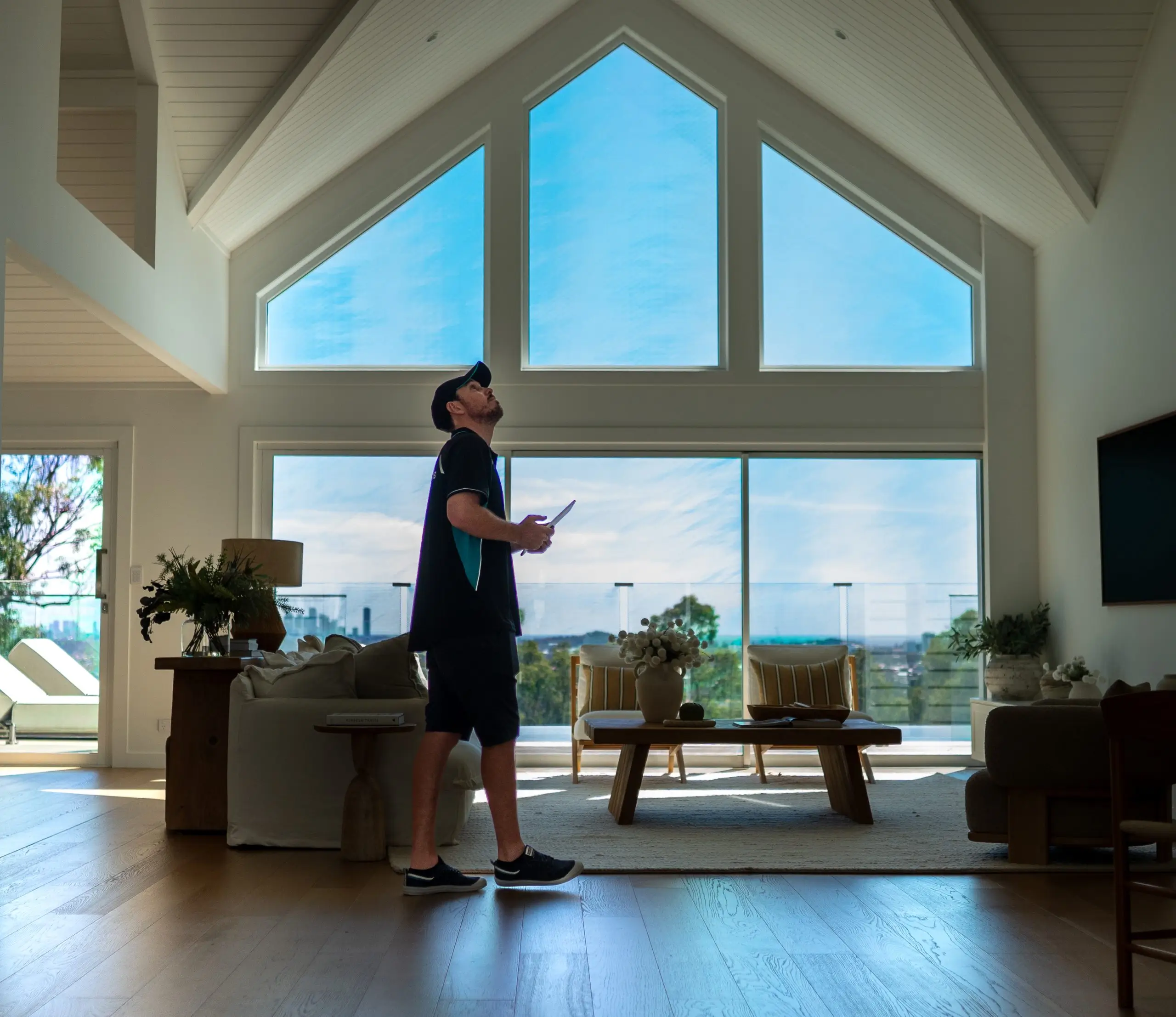
If you’re getting ready to buy a home, booking a building and pest inspection on the Gold Coast should sit right at the top of your to-do list. The climate here is warm, humid, and great for anyone who loves the beach, but it’s also the kind of environment where problems thrive. These problems, unfortunately, don’t show up during a quick walk-through at an open home. And it’s not only older houses that catch buyers off guard. New builds can have their own surprises, especially with coastal conditions and the pressure to finish projects fast.
After consulting on more than 300 Gold Coast inspection reports over the past decade, I’ve seen how one missed defect can snowball into a $40,000+ repair bill. Sometimes more. And almost every time, the buyer said the same thing: “It looked fine during the walkthrough.”
In this guide, you’ll learn why inspections are so important in the Gold Coast market, what inspectors look for, common defects across different suburbs, what the real 2026 pricing looks like, and how to use the report to negotiate confidently.
Before you sign your contract, read this first.
Gold Coast homes deal with conditions that aren’t always obvious from the street. High humidity, sudden downpours, salt air, and shifting soil can all cause problems that slowly worsen over time without anyone noticing.
Humidity is one of the quiet problems on the Gold Coast that catches a lot of buyers off guard. Termites love warm, damp conditions, and it doesn’t take much for moisture levels inside walls to climb during the wet months. Homes closer to the shoreline tend to show it even more. Things like corrosion on screws, brackets, balustrades, roof sheeting, and window frames become pretty common the nearer you get to the ocean.
Older units across Southport, Surfers Paradise, and Mermaid Beach also tend to develop mould around bathrooms and living rooms because ventilation systems weren’t designed for today’s climate. QLD Government building research reports confirm that coastal properties tend to record higher moisture levels than inland homes. Asthma Australia reports that around 34% of Australian households have experienced mould or mildew in their homes, highlighting how common moisture-related issues really are in humid environments.
As someone who has lived in Mermaid Waters for more than seven years, I’ve seen beautiful homes with flawless street appeal hide termite galleries deep behind plasterboard. You really can’t judge a property by its presentation alone.
While every home has quirks, certain issues show up again and again. Many inspections uncover subfloor moisture, blocked or poorly graded drainage, roof leaks, rusted fixings, and soft spots in timber where termites have been active in the past. You also see a lot of rushed DIY renovations, especially in investment properties, where bathrooms weren’t waterproofed properly, or balconies weren’t built to code. The Australian Building Codes Board notes that waterproofing failures are one of the leading causes of building defects in residential properties which is why poorly renovated wet areas so often become expensive repair jobs later.
These are exactly the problems a Gold Coast building inspection aims to identify early so buyers can avoid taking on hidden costs.
Most Queensland contracts include a “Subject to Building & Pest” clause, which is one of the strongest protections a buyer has. It gives you the right to cancel the contract if major structural or pest issues are found.
Inspections must also follow QBCC guidelines and align with AS 4349 standards, which outline what an inspector must check and how the findings should be reported. Under AS 4349.1, inspectors are required to provide a written report detailing major defects and safety hazards identified during the assessment, ensuring buyers receive a clear, structured summary of the property’s condition.
A proper inspection offers a complete snapshot of the property’s condition. It’s about understanding the home’s structural integrity, safety, and long-term risks.
Inspectors assess the home from top to bottom, focusing heavily on the elements that determine long-term durability.
A detailed Building and Pest Inspection Gold Coast buyers book typically includes checks of:
Structural integrity of walls, framing, and foundations
Roofing, gutters, flashing, and downpipes
Internal and external building conditions, including moisture staining
Non-invasive electrical indicators, such as wiring condition or safety concerns
Basic plumbing observations, like leaks or poor water pressure
Safety elements, including balconies, stairs, handrails, and smoke alarms
During a renovation I worked on in Broadbeach in 2018, a balcony load-rating issue was only identified because of a thorough pre-purchase building inspection qld. Without that report, the problem would have cost thousands to fix after settlement, proof that the smallest structural detail can impact your budget long after moving in.
The pest portion of the inspection looks for termite activity, wood borers, fungal decay, and any signs of past treatment. Moisture meters and thermal imaging help identify hidden problem areas.
This is where tools matter, thermal imaging can reveal temperature differences behind walls that often signal termite activity or moisture buildup.
A pest inspection on the Gold Coast is especially important in high-risk suburbs like Coomera, Helensvale and Nerang.
There are limits to what inspectors can legally and safely do. A standard inspection does not include:
Cutting or drilling into walls
No pulling up tiles, flooring or decking
Entering unsafe or restricted roof cavities
Confirming full compliance or providing a valuation
Moving furniture or stored items
Examining areas with no reasonable access
This guide offers general information only. It’s advised that buyers should always rely on a licensed, QBCC-qualified inspector for official advice.
Inspection costs on the Gold Coast shift a bit depending on the size of the home, how complex the layout is, and where the property is located. Even so, most buyers will find that reputable companies tend to fall within a similar price range. If you’re trying to understand the building inspection cost, the breakdown below will help.
For 2026, typical prices are:
Units: Range between $289 and $399
Townhouses: can cost anywhere from $349 to $449
Houses: are about $399–$650
Prestige homes or large properties: $600–$900
Same-day report upgrades: usually an extra $50–$100
Older homes usually cost a bit more to inspect simply because they take longer and there’s a higher chance the inspector will uncover issues. Properties in beachside suburbs can also push the price up, as corrosion and constant weather exposure add extra layers of complexity. Bigger houses take more time to work through from top to bottom. And when an inspector includes tools like thermal imaging or drone scans at no extra charge, the overall fee often ends up toward the higher end of the typical range.
One Hope Island buyer spent $450 on a pre-purchase inspection QLD buyers typically arrange. The report uncovered termite damage that would’ve cost more than $32,000 to repair. That single inspection saved them from a massive financial setback. It’s a simple reminder: the cost of an inspection is nothing compared to the cost of a mistake.
The inspection process isn’t as complicated as it might sound. It’s always good to understand the steps, it helps buyers feel more in control.
Once you’ve signed your conditional contract, the inspector will request access details, a copy of the contract, and information about any concerns you may have. This helps them tailor the inspection and ensure they don’t miss anything specific.
Most inspections last anywhere from one to two hours, depending on the property’s condition. During that time, the inspector works through the whole place, roof cavities, fencing, subfloors, drainage points, and any visible plumbing or electrical issues, all get checked.
Most inspectors carry a small set of tools that help them see what’s going on behind the surface. They’ll usually have a thermal camera, a moisture meter, and sometimes a borescope in their kit. Each tool does something different, but the idea is the same. It lets the inspector pick up on issues that aren’t obvious when you’re just walking through the house.
Most buyers get their full report within 24 hours. The report is typically delivered in the form of a detailed PDF. These reports often include many photos, along with clear explanations and risk ratings marked as high, medium, or low. Some items end up being simple maintenance tasks, while others flag serious structural problems that need attention right away.
A strong report can help you negotiate a better deal. You might request repairs, ask for a price reduction, or, in serious cases, withdraw from the contract entirely. The negotiation stage is where many buyers recover far more money than the inspection cost them.
CSIRO data places the Gold Coast firmly in a high-risk termite zone. Timber-framed homes in suburbs like Nerang, Oxenford, and Arundel frequently show signs of activity. A thorough termite inspection Gold Coast buyers can trust often makes the difference between buying a safe home and taking on an expensive pest problem.
When the rain comes down hard on the Gold Coast, the water doesn’t always drain the way you’d expect. On sloping blocks it often collects under the house or sits against retaining walls, and that’s when timber can start to decay. In the coastal suburbs, inspectors regularly pick up higher moisture readings for this exact reason. Left alone, these damp spots turn into mould, soft or rotting timber, and, over time, real structural problems.
Investor flips often look tidy but hide cut corners, unsupported beams, poorly constructed carports, and non-compliant waterproofing. These structural problems are easy to miss without a trained inspector.
Older units frequently battle mould due to inadequate ventilation. One Southport owner faced a $9,500 remediation bill after discovering mould behind their bedroom wall post-purchase.
Choosing the right inspector is just as important as ordering the inspection itself.
Look for a QBCC-licensed inspector with timber pest certification. Insurance is essential, and their reports should comply with AS4349 standards. Inspectors with experience across the Gold Coast understand local soil, humidity patterns, and construction quirks better than generalists.
Be cautious of inspectors offering extremely cheap quotes or delivering reports with almost no photos. A rushed, five-page report doesn’t give you enough information to make an informed decision. Reports should be detailed, easy to interpret, and backed by clear evidence.
When comparing companies, ask whether thermal imaging is included, whether you can attend the inspection, and how soon the report will be ready. The answers reveal a lot about the inspector’s professionalism.
I review dozens of inspection reports every month, and it’s easy to spot when an inspector rushed the job. Missing photos, vague descriptions, and generic wording are red flags. On the Gold Coast, where climate and construction issues are so specific, experience truly does matter.
Buying a home on the Gold Coast is a big investment, and a Building and Pest Inspection Gold Coast buyers rely on is one of the most important steps in the process. The inspection cost is minor compared to the risks: termites, moisture damage, structural issues, and hidden defects. A thorough Gold Coast building inspection gives you clarity, reduces risk, and strengthens your negotiating position.
If you’re preparing to buy, Top Tier Building Inspections can guide you through the process with clear reporting and local expertise. Book your inspection or request a sample report before making your final decision.